

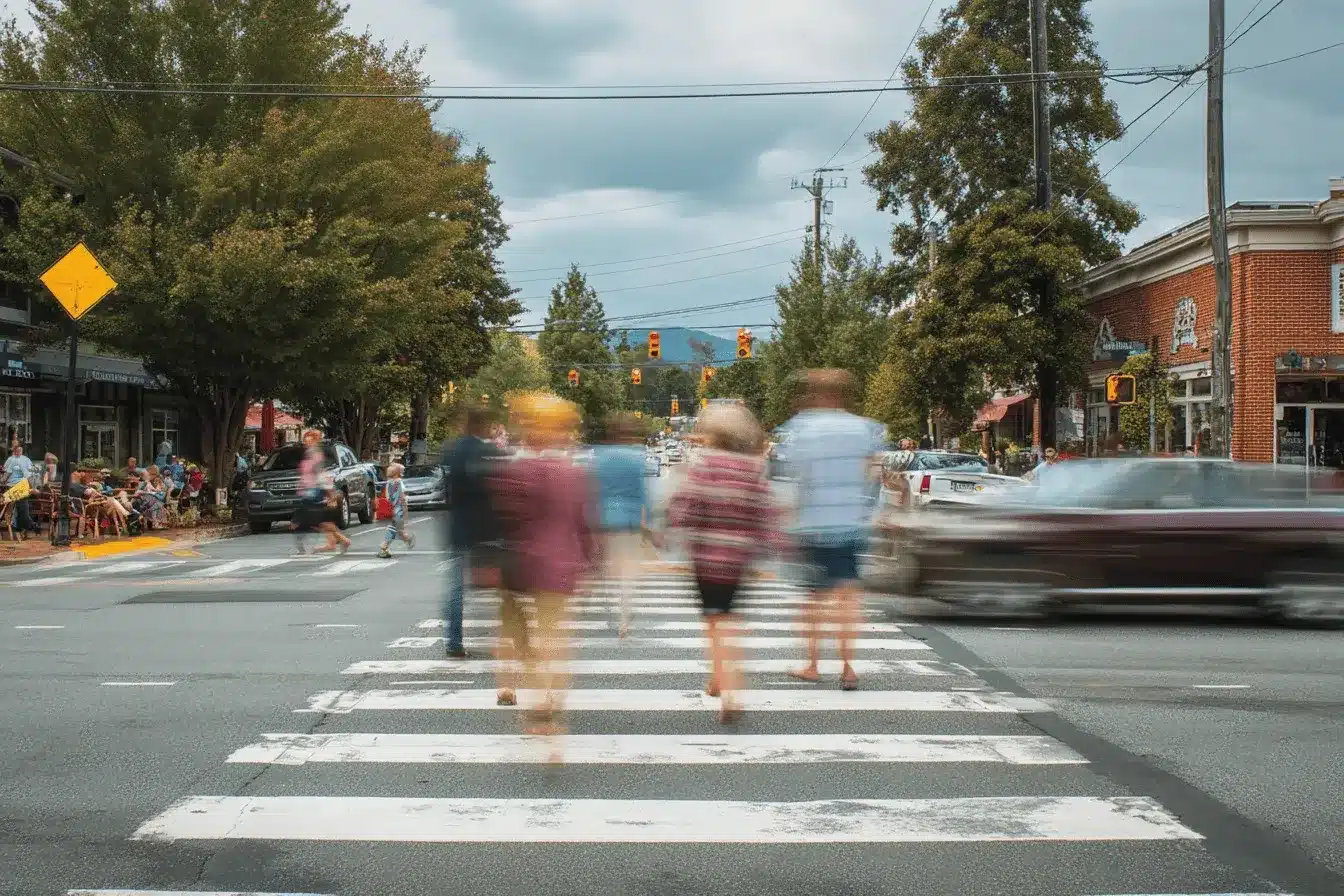
Pedestrian accident injuries in Richmond, TX, commonly include brain trauma, spinal damage, broken bones, and internal organ injuries. Because a pedestrian has nothing between their body and a vehicle weighing thousands of pounds, these injuries are often severe and can affect your ability to work and care for your family for months or years.
Being struck by a vehicle in Richmond leaves you facing emergency room bills, missed paychecks, and pain that limits basic daily tasks like driving, working, or caring for your children. Many of these injuries do not show their full severity at the scene. Symptoms like back pain, headaches, and internal bleeding can take days to surface, and insurance companies use that delay against you.
Insurance adjusters investigating Richmond pedestrian crashes often argue that a delayed diagnosis means your injuries were not serious or were not caused by the crash at all. Without a documented paper trail connecting your symptoms to the collision, you risk having a fair settlement reduced or denied entirely while your medical bills keep arriving.
In this article, you will discover the most common pedestrian accident injuries in Richmond, why some symptoms are delayed, what causes these crashes, and how a Richmond pedestrian accident attorney can help protect your health and your legal rights.
What Are the Most Common Pedestrian Accident Injuries in Richmond?
Pedestrians struck by vehicles in Richmond most commonly suffer head trauma, broken bones, spinal injuries, internal organ damage, soft tissue tears, and severe road rash. Pedestrians have no airbags, no seatbelt, and no metal frame to absorb the force of a collision. When Richmond’s busy roads like US-59, FM 762, and the Grand Parkway intersect with foot traffic, the human body absorbs the full impact of a vehicle weighing thousands of pounds.
Soft Tissue Injuries and Fractures
Soft tissue injuries are damage to your muscles, ligaments, and tendons. This includes painful sprains, strains, and deep tears that limit your movement and make daily tasks difficult.
Pedestrians frequently suffer broken bones in their legs, hips, ribs, arms, and wrists because the vehicle bumper strikes the lower body first before the person hits the pavement. A compound fracture occurs when a broken bone pierces through the skin, and these injuries almost always require emergency surgery followed by months of physical therapy.
Concussions and Traumatic Brain Injuries
A traumatic brain injury, or TBI, is damage to the brain caused by a violent blow or jolt to the head. A concussion is a mild form of TBI, but mild does not mean harmless.
Your head can strike the windshield, car hood, or pavement with enormous force, and symptoms are not always obvious at the scene. Watch for these warning signs in the hours and days after a crash:
- Headaches and dizziness: Often the first sign that something is wrong inside your skull
- Memory and concentration problems: Trouble focusing at work or remembering recent conversations
- Mood and sleep changes: Unusual irritability, depression, or inability to sleep through the night
- Sensitivity to light and sound: A frequently overlooked symptom that signals brain trauma
Even a mild TBI can make it impossible to return to work and keep up with your family responsibilities.
Neck, Back, and Spinal Cord Injuries
Whiplash is a neck injury caused by the sudden, violent snapping of your head forward and backward. Herniated discs occur when the cushions between your spinal bones rupture and press on nearby nerves, causing sharp pain that can radiate down your arms or legs.
A spinal cord injury is damage to the bundle of nerves that runs through your spine and controls movement and sensation throughout your body. This type of trauma can cause partial or complete paralysis. Back and neck pain often does not appear until 24 to 72 hours after the crash, which is exactly why early medical evaluation is critical.
Leg, Hip, and Pelvic Injuries
Vehicle bumpers typically strike adult pedestrians at hip and knee level, which is why pelvic fractures and shattered knees are so common in these crashes. These injuries usually require immediate surgery and metal hardware to hold the bones in place during healing. Recovery takes months, and many people cannot return to their jobs during that time.
Internal Injuries and Organ Damage
Blunt force trauma is injury caused by a hard impact without a cut or puncture wound. When a vehicle strikes your body, this force travels deep inside and can cause internal bleeding, punctured lungs, a ruptured spleen, or serious liver damage.
Internal injuries are dangerous because they are not visible at the scene. You could be bleeding internally and feel relatively normal until your condition becomes life-threatening, which is why you should always accept emergency medical evaluation after any pedestrian crash.
Facial Injuries, Scarring, and Dental Trauma
When a pedestrian is thrown to the ground or into a windshield, the impact frequently causes broken jaws, knocked-out teeth, and serious eye injuries. Deep lacerations from broken glass and rough pavement often result in permanent facial scarring. Reconstructive surgery and dental restoration are extremely expensive, and health insurance rarely covers the full cost of these specialized procedures.
Emotional Distress and PTSD
Post-traumatic stress disorder, or PTSD, is an anxiety condition triggered by a traumatic event. After a serious pedestrian crash, you may experience recurring nightmares, a persistent fear of crossing streets, or panic attacks when you are near moving traffic. This emotional trauma affects your ability to go to work, run errands, and be present for your family.
One pattern we consistently see in pedestrian injury claims in Fort Bend County is that clients treated at OakBend Medical Center’s Richmond campus are often released the same day with a diagnosis of soft tissue strain, only to develop documented nerve or joint complications weeks later. Insurers frequently point to that same-day release as proof the injury was minor, even when the follow-up imaging tells a different story.
What Symptoms Show up Days After a Crash?
Adrenaline and shock can completely mask your pain while you are still at the accident scene. Symptoms like severe headaches, numbness, abdominal pain, dizziness, and back stiffness frequently appear 24 to 72 hours later.
Waiting to see a doctor directly hurts your legal claim. Insurance companies actively use gaps in your medical treatment to argue that the crash did not cause your injuries.
You should take these specific steps immediately after the crash:
- See a doctor within 24 hours, even if you feel fine
- Follow every specialist referral your doctor gives you
- Keep a daily journal recording your pain levels and physical limitations
- Save every medical bill, prescription receipt, and discharge paper
We use this exact documentation to calculate and prove the full financial value of your claim.
What Causes Most Pedestrian Accidents in Richmond?
Understanding how your crash happened is the first step toward holding the right person accountable. The cause of the crash directly determines who is legally responsible for your medical bills and lost income.
Most pedestrian accidents in Richmond happen because of:
- Distracted driving: Drivers focused on text messages, GPS navigation, or phone calls instead of the road ahead
- Failure to yield: Drivers ignoring marked crosswalks and pedestrian walk signals at intersections
- Speeding: Drivers traveling too fast to stop in time, especially on Farm to Market roads and near school zones
- Drunk or impaired driving: Intoxicated drivers are a leading cause of fatal pedestrian crashes in Texas
- Backing up without checking: A frequent cause of serious injuries in busy parking lots near Brazos Town Center and local shopping centers
Left-turning drivers are especially dangerous because they watch for oncoming cars but frequently miss pedestrians already in the crosswalk. Nighttime crashes are also far more common because drivers simply do not see pedestrians until it is too late.
A tactic we see repeatedly from adjusters handling pedestrian claims near the Grand Parkway and FM 762 is treating the absence of a marked crosswalk as an automatic bar to recovery, even though a driver’s failure to yield or keep a proper lookout can still support a claim regardless of crosswalk markings.
Who Pays If You Were Partly at Fault?
Texas follows a legal rule called modified comparative negligence.
This means you can still recover financial compensation as long as you are not more than 50 percent at fault for the crash.
Your final award is reduced by your percentage of fault. If you have a $100,000 claim but are found 20 percent at fault, you recover $80,000. Insurance companies routinely try to blame pedestrians for jaywalking or wearing dark clothing to reduce the amount they have to pay. We investigate your crash thoroughly and push back against unfair blame so you keep the compensation you are entitled to.
What we see across the pedestrian claims we handle in Fort Bend County is adjusters citing dark clothing or jaywalking almost automatically, then quietly dropping the argument once we produce dashcam or intersection camera footage showing the driver had adequate time to stop.
What Compensation Can You Recover for Pedestrian Injuries?
Texas law allows you to recover two main categories of compensation: economic damages and non-economic damages.
Economic damages cover every measurable financial loss caused by the crash:
- Emergency room visits, surgeries, physical therapy, and prescription costs
- Lost paychecks and reduced earning capacity if you cannot return to your previous job
- Future medical expenses including follow-up surgeries and in-home care
Non-economic damages cover the personal toll of the crash:
- Physical pain you experience every day during your recovery
- Permanent scarring that affects your appearance and self-confidence
- The emotional impact of losing your independence and ability to do the activities you enjoyed before
In cases involving drunk driving or extreme recklessness, Texas courts can also award punitive damages. Punitive damages are extra compensation designed to punish the driver for outrageous conduct and deter others from doing the same.
“Mr. Vendt is a very knowledgeable & fair Attorney. I was great and very happy with the help I received. You will not find better council.” – Darren G
What Deadlines Apply to Richmond Pedestrian Injury Claims?
Texas gives you two years from the date of the crash to file a personal injury lawsuit. If a government vehicle caused your crash, such as a city bus or county truck, you may need to file a formal legal notice in as little as six months.
Two years may sound like plenty of time, but surveillance footage is often deleted within days, witnesses forget details, and physical evidence disappears from the scene quickly. Insurance companies begin building their defense immediately after the crash, which means you need to act just as fast.
“Frank was great to work with. He represented me in a manner that was professional and very efficient. Frank does what he does because he has a passion for justice. I am very appreciative of all that Frank has done for me and I will recommend him to anyone that needs legal representation conducted the ‘right’ way.” – Sharndell Carr
Hurt in Richmond? Get Legal Help Today
You are dealing with medical appointments, a stack of bills, missed paychecks, and insurance adjusters calling your phone. Vendt Accident Attorneys takes that legal burden off your plate so you can focus entirely on getting better.
Attorney Frank Vendt has firsthand experience with the physical and financial toll of a serious accident. Our team brings 85 years of combined legal experience to your case. We can handle the investigation, insurance negotiations, and paperwork so you can focus on your family and your recovery. Contact Vendt Accident Attorneys today to schedule a free consultation and learn about available fee arrangements.
Frequently Asked Questions
Should I See a Doctor if I Feel Fine After Being Hit by a Car?
Yes. Adrenaline can hide serious injuries like internal bleeding or a concussion, and a same-day medical record is critical to both your health and the strength of your legal claim.
Can I Still Recover Compensation if I Was Crossing Outside a Crosswalk?
Yes, as long as you are not more than 50 percent at fault under Texas comparative negligence law, though your final compensation will be reduced by your share of fault.
Who Pays My Medical Bills While My Pedestrian Injury Claim Is Pending?
Your health insurance, MedPay, or Personal Injury Protection coverage typically pays upfront, and we work to recover those costs from the at-fault driver’s insurance company as part of your settlement.
What if the Driver Who Hit Me Fled the Scene or Has No Insurance?
You may still recover compensation through your own uninsured motorist coverage, and we investigate every possible source of compensation including third-party liability.
Do I Need a Police Report to File a Pedestrian Injury Claim in Texas?
A police report is not legally required, but it is one of the strongest pieces of evidence available, so you should always call 911 at the scene so an officer can document the crash.
Should I Give a Recorded Statement to the Driver’s Insurance Company?
No. Politely decline and contact Vendt Accident Attorneys first, because adjusters are trained to ask questions that can be used to reduce or deny your claim.
